Gearbox, end to end
Churning run, heat-transfer map and steady thermal model chained in one command. Every step is gated before it spends GPU time.
9.2 h of GPU condensed into a 20 s thermal solve
From the Experience 2026 workshop: gearbox thermal chains, DoE on materials, automatic post-processing and Blender renders, all driven from a script. Plus the SDK route to extend the solver itself.
Thu 26 Nov 2026 · 15:00–15:45 CET · online · free
Recording sent to every registrant.
All shown on real runs from the workshop, none needs custom training data.
Churning run, heat-transfer map and steady thermal model chained in one command. Every step is gated before it spends GPU time.
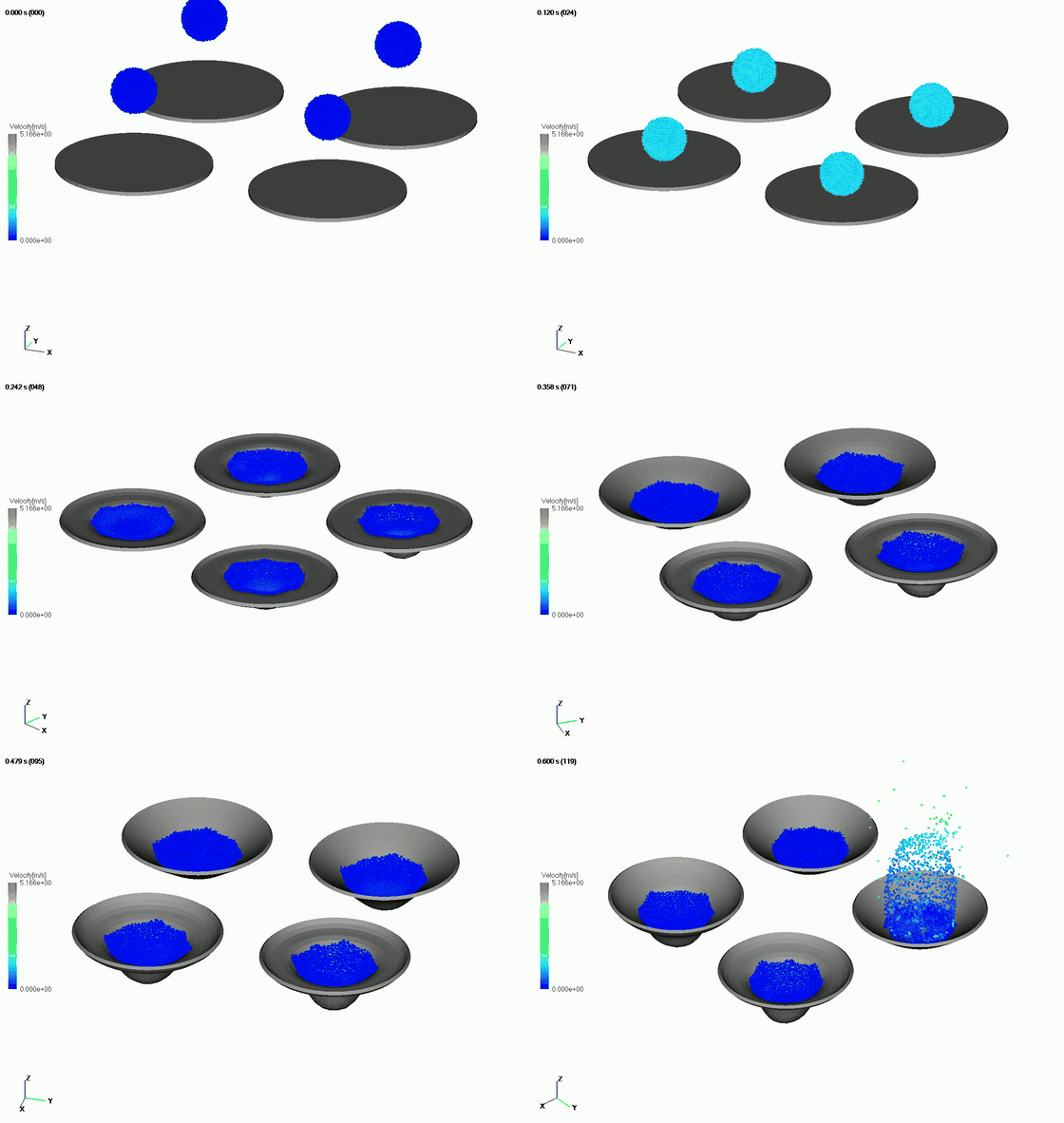
16 fluids across the rheology map, Newtonian to Bingham, shear-thinning and shear-thickening, against 9 obstacle shapes.
Wetting maps, peak forces, torque, HTC and the report, produced the same way for every run.
Particles to surface to cinematic frames. Colour and translucency can follow each particle's own history.
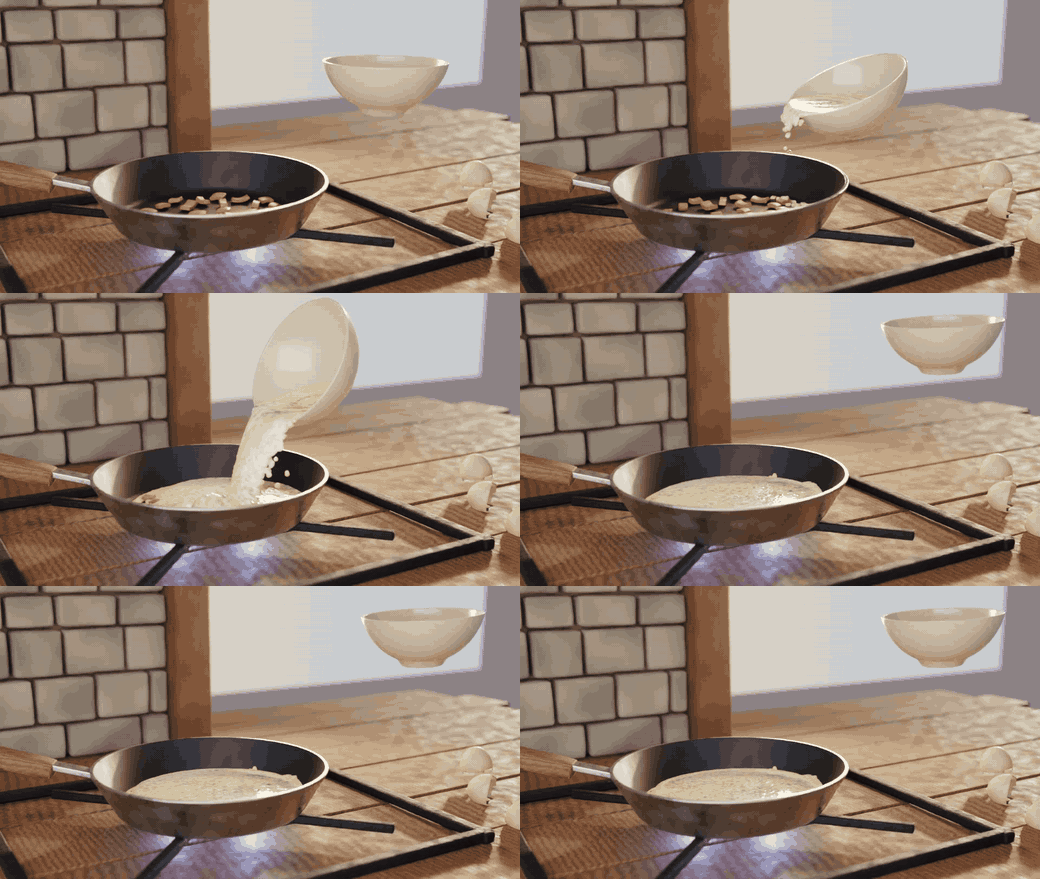
The omelette: pour, swirl, cooking history integrated per particle, then compared against the no-swirl case.
Scripted motions, custom viscosity laws, and the SDK to hook into the solver and add physics that did not exist.
Four levels of control: your own Python, AI chat with the API in context, agents that run the machine, and the SDK.
Churning loss, HTC map, steady CHT. What was automated, what was machine-checked, what the temperatures really mean.
16 fluids × 9 shapes, wetting and force maps, and the Blender renders generated from the same script.
The omelette: temperature-driven viscosity, per-particle history, and what it takes to prepare such a case.
The checks that separate a plausible result from a correct one.
Bring your own case.
118 W by ISO/TR 14179-2 against 55 W simulated. ISO has no term for gears fed by thrown oil, which is most of this box.
Mean HTC 214 W/m²K on a gear against 36 on the housing. Relative velocity drives it, not how wet the surface is.
Zero non-zero values over 670,920 triangles. The thermal map needed a real re-run, not a post-process.
Demonstration gearbox, Particleworks 8.2, 375 k particles, 2 s run. No customer data.
45 minutes, presented by Michele Merelli, Particleworks Europe / EnginSoft. Prefer e-mail? info@particleworks-europe.com
Want this on your own cases? One-day custom training: method in the morning, your scripts in the afternoon.
See the custom training